The Recovery Vibe: How Your Body's Rest Signals Are Trying to Guide You
Your body is always broadcasting — and the most underrated fitness skill you can develop is learning to actually listen. Discover how aligning with your recovery vibe can unlock performance you've been leaving on the table.
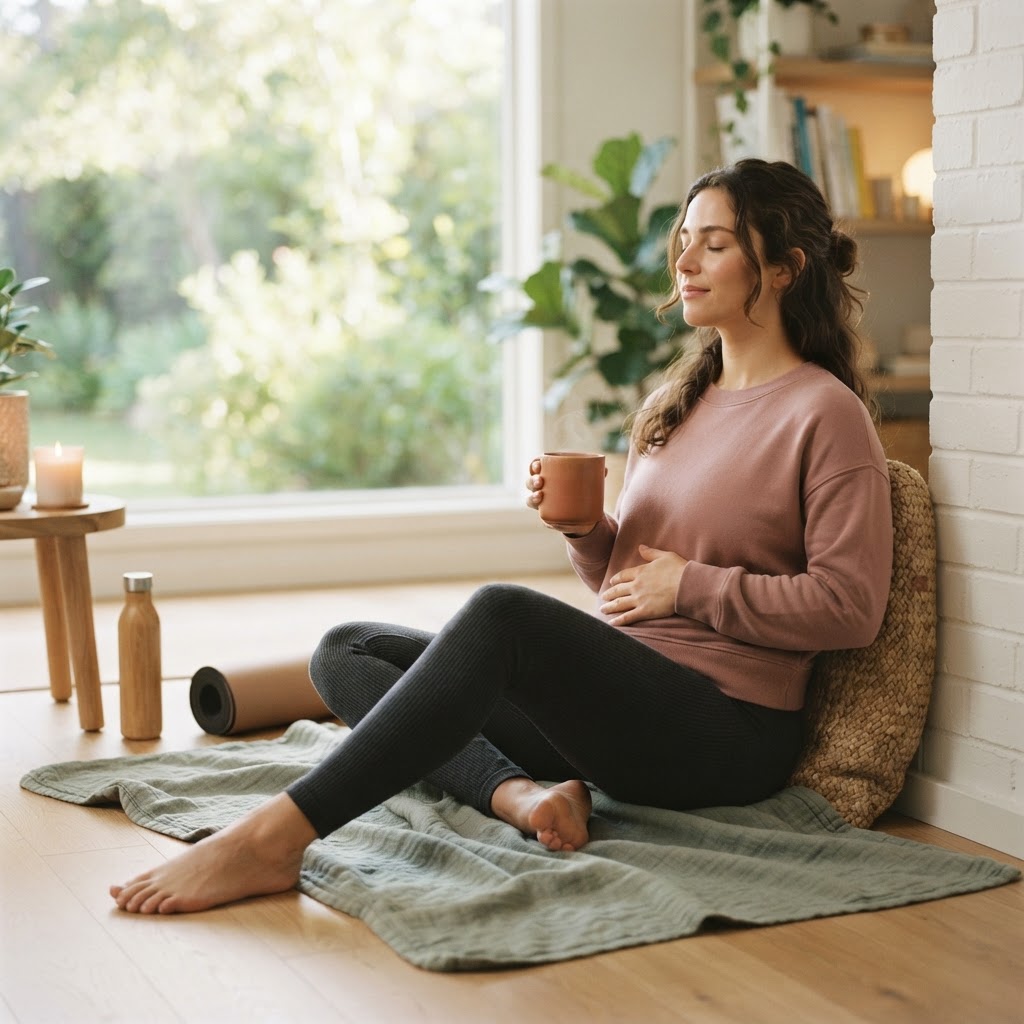
There's a moment most fitness-focused people know well: you're three days into a solid streak, feeling unstoppable, and then suddenly — the energy drops, the motivation evaporates, and everything feels heavier than it should. Most people label this as weakness. The truth is, your body just switched frequencies.
Your Body Is Always Transmitting
Every physical system you have — your nervous system, your muscles, your hormones — is in constant communication. When you're well-rested, fueled, and recovered, your output feels effortless. When you're depleted, even simple tasks feel like resistance training. This isn't a mindset failure. It's biological data. The problem isn't that your body sends these signals — it's that most of us were never taught to read them.
Start noticing these transmission patterns:
- Elevated resting heart rate (even 5-10 BPM above your baseline) often signals incomplete recovery
- Mood dips or irritability in the morning before any external stressor has entered the picture
- Persistent muscle heaviness that doesn't resolve after a warm-up
- Cravings for dense, salty, or sugary foods — a classic sign your adrenal system is under stress
These aren't excuses. They're inputs. The athlete who learns to distinguish between discomfort worth pushing through and depletion worth respecting consistently outperforms the one who ignores both.
Active Recovery Is Still a Vibe
The cultural narrative around fitness has long celebrated the grind and quietly shamed rest. But high-performance coaches across disciplines — from elite cycling to NBA strength programs — have quietly known for decades that the adaptation doesn't happen during training. It happens after. Your muscles don't grow during the workout. They grow during recovery.
Active recovery doesn't mean doing nothing. It means choosing movement that supports your system rather than taxes it. Think:
- A 20-minute walk in natural light, which regulates cortisol and boosts serotonin simultaneously
- Gentle yoga or mobility work that increases blood flow to sore tissue without adding mechanical stress
- Swimming at a conversational pace, which is uniquely effective at flushing inflammation
- Breathwork sessions — even 10 minutes of box breathing can measurably shift your nervous system from sympathetic (fight-or-flight) to parasympathetic (repair and restore)
On VibSocial, some of the most engaged fitness spaces aren't built around high-intensity challenges — they're built around recovery culture. People sharing their wind-down routines, their sleep rituals, their "soft Sunday" practices. This is a community that understands that honoring your body's signals is its own kind of strength.
The Performance Window Most People Miss
Here's a concept that changes how serious fitness practitioners approach their week: supercompensation. After a training stimulus breaks your body down, your system doesn't just return to baseline — it overcorrects upward, leaving you temporarily stronger, faster, or more resilient than before. But only if you time recovery correctly.
If you train again too soon, you interrupt that window. If you wait too long, it passes. The sweet spot is different for every body, and learning yours is one of the most valuable fitness investments you can make. Journaling your energy levels for just two weeks — rating your morning readiness on a simple 1-10 scale — gives you enough data to start seeing your personal patterns clearly.
Building a Recovery Ritual That Actually Sticks
The reason most people skip recovery is that it doesn't feel productive. It doesn't look impressive. There's no progress photo from eight hours of sleep. So the key is turning recovery into something you look forward to — an intentional ritual rather than a passive absence of effort.
Try anchoring your recovery practices to something sensory and enjoyable:
- Magnesium glycinate taken 30 minutes before bed has strong evidence for improving sleep depth and reducing muscle soreness
- A temperature contrast — even alternating warm and cool water in your shower for 60 seconds — activates your lymphatic system and feels genuinely invigorating
- A specific playlist or soundscape reserved only for your recovery window trains your nervous system to shift modes on cue
- Sharing your recovery vibe in a community space creates accountability that makes consistency feel social instead of solitary
Redefining What a Strong Body Looks Like
The most advanced thing you can do for your fitness is stop measuring progress only in output — reps, miles, weight on the bar — and start measuring it in how well you recover. Recovery speed is a genuine performance metric. The faster your heart rate returns to baseline after exertion, the more efficiently your body operates. The deeper your sleep, the sharper your focus and the lower your injury risk.
A body that knows how to rest is a body that knows how to perform. Tune into that signal. Build around it. Share it with a community that gets it — because on VibSocial, the recovery vibe isn't a retreat from the fitness journey. It's proof you're taking it seriously.